


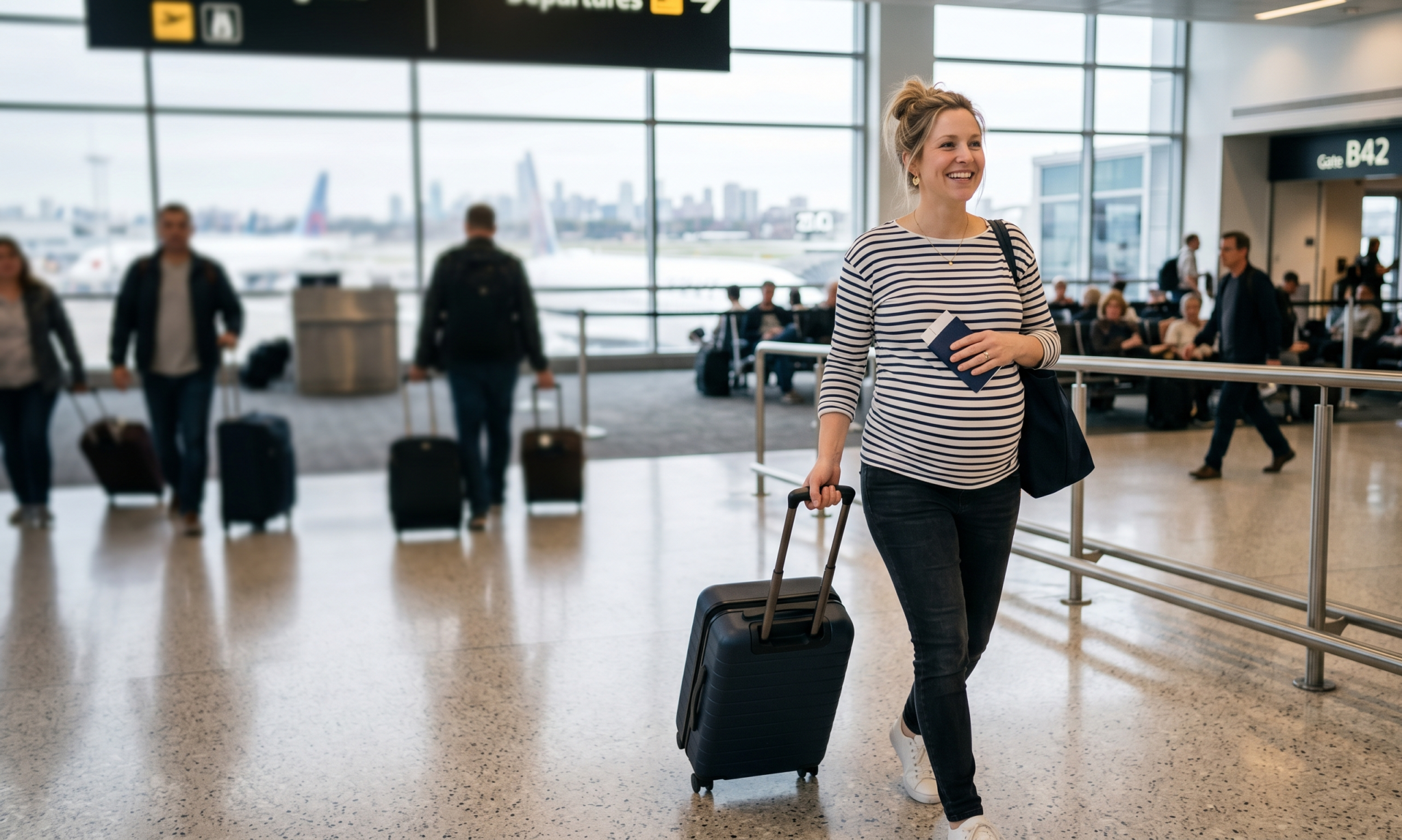

Traveling during pregnancy can be safe and enjoyable—but only when done carefully. Many expecting mothers unknowingly make small mistakes while traveling, which can sometimes lead to discomfort or complications.
At KIC Bengaluru, we often guide patients on how to travel safely during pregnancy. The key is simple: take precautions, stay prepared, and listen to your body.
Is It Safe to Travel During Pregnancy?
Yes, in most cases, traveling during pregnancy is safe—especially during the second trimester (14–28 weeks), which is considered the most comfortable period.
However, travel may not be recommended if you have:
- High-risk pregnancy
- History of miscarriage or preterm labor
- Placenta-related complications
- Severe anemia or medical conditions
👉 Always consult your doctor before planning any trip. A proper fertility consultation in Bangalore helps assess if your pregnancy is safe for travel.
Common Mistakes to Avoid During Pregnancy Travel
Many issues arise not because of travel itself—but due to avoidable mistakes:
- Skipping meals or eating unsafe food
- Not drinking enough water
- Sitting for long hours without movement
- Ignoring swelling in legs
- Traveling without medical essentials
These may seem minor, but during pregnancy, they can affect both mother and baby.
Essential Pregnancy Travel Tips
1. Eat Safe and Fresh Food
Food safety is extremely important during pregnancy.
✔️ Carry home-cooked food for short trips
✔️ Choose freshly prepared hot meals
❌ Avoid cold foods, salads, and street food
Contaminated food can lead to infections, which are risky during pregnancy.
2. Stay Well Hydrated
Hydration plays a crucial role in maintaining amniotic fluid levels and overall health.
✔️ Drink at least 2–3 liters of water daily
✔️ Carry a water bottle during travel
Dehydration can cause dizziness, fatigue, and even contractions in some cases.
3. Keep Moving During Long Travel
Sitting continuously can affect blood circulation.
✔️ Take breaks every 1–2 hours during road trips
✔️ Walk around whenever possible
✔️ Flex and stretch your legs
This helps prevent stiffness and reduces the risk of blood clots.
4. Prevent Swelling (Pedal Edema)
Swelling in the legs and feet is common during pregnancy, especially while traveling.
✔️ Keep your legs slightly elevated
✔️ Avoid sitting with legs down for long periods
✔️ Wear comfortable footwear
Proper positioning improves circulation and reduces discomfort.
5. Special Care During Flight Travel
Air travel is generally safe but requires extra precautions:
✔️ Use compression stockings
✔️ Walk inside the flight at intervals
✔️ Stay hydrated throughout
✔️ Choose aisle seats for easy movement
In some high-risk cases, doctors may suggest additional precautions.
6. Carry Medical Essentials
Always be prepared for unexpected situations.
✔️ Anti-vomiting medication
✔️ Basic fever or pain relief medicines
✔️ Doctor’s prescription
✔️ Previous medical reports
Having these handy can prevent panic during emergencies.
When Should You Avoid Traveling?
Avoid or postpone travel if you experience:
- Vaginal bleeding
- Severe abdominal pain
- Reduced baby movements
- High blood pressure complications
- Preterm labor symptoms
👉 In such situations, immediate medical attention is more important than travel.
Why Medical Guidance Matters Before Travel
Every pregnancy is different. What works for one may not be safe for another.
At KIC Bengaluru, we ensure:
- Personalized pregnancy advice
- Risk assessment before travel
- Guidance based on trimester and health condition
Proper evaluation helps avoid complications and ensures a smooth journey.
Final Thoughts
Travel during pregnancy doesn’t have to be stressful. With the right precautions, you can enjoy a safe and comfortable journey.
Remember:
👉 Safe travel = Healthy pregnancy
Listen to your body, plan ahead, and never ignore medical advice.
FAQs – Pregnancy Travel Tips
1. Which trimester is safest for travel?
The second trimester (14–28 weeks) is considered the safest and most comfortable.
2. Can I travel by flight during pregnancy?
Yes, but it’s best to consult your doctor, especially after 28 weeks.
3. How long can I sit during travel?
Avoid sitting continuously for more than 1–2 hours. Take breaks and walk.
4. Is swelling normal during travel?
Yes, mild swelling is common, but it can be reduced with leg elevation and movement.
Conclusion
A little care goes a long way in ensuring a safe pregnancy journey. Follow these pregnancy travel tips, stay prepared, and always prioritize your health and your baby’s well-being.
If you are unsure about traveling, consult experts at KIC Bengaluru for the right guidance.