


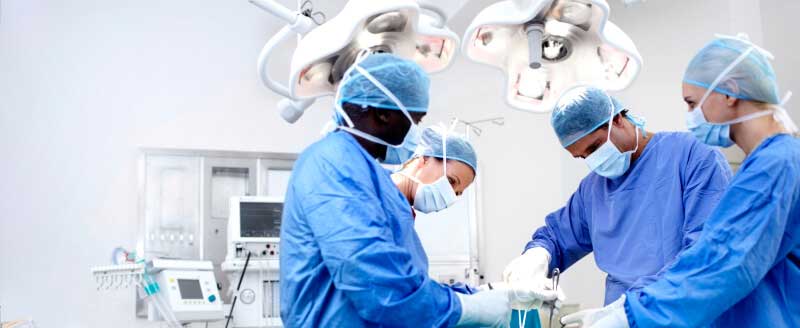
Laparoscopic Surgery in Bangalore – Minimally Invasive Fertility Treatment
Laparoscopic surgery in Bangalore is an advanced minimally invasive surgical technique used to diagnose and treat several gynecological and infertility-related conditions. This procedure allows doctors to examine and treat reproductive organs such as the uterus, fallopian tubes, and ovaries through very small incisions.
Doctors widely consider laparoscopic surgery a major advancement in modern gynecological care. Unlike traditional open surgery, laparoscopic procedures use small keyhole incisions, which reduce pain, shorten hospital stays, and speed up recovery.
Fertility specialists frequently recommend laparoscopic surgery to identify and treat conditions that may affect pregnancy. Therefore, this technique plays an important role in infertility diagnosis and treatment.
What is Laparoscopic Surgery?
Laparoscopic surgery is a procedure in which surgeons insert a thin telescope-like instrument called a laparoscope through a small incision near the belly button.
The laparoscope contains a high-resolution camera and light source. As a result, surgeons can clearly view the pelvic organs on a monitor during the procedure.
Doctors may also insert additional small surgical instruments through other tiny incisions. These instruments allow surgeons to diagnose and treat gynecological problems during the same procedure.
Because laparoscopic surgery requires only small incisions, patients usually experience less pain, smaller scars, and faster recovery compared to open surgery.
Why Laparoscopy is Important in Infertility Evaluation
Many fertility problems cannot be diagnosed through physical examination alone. Sometimes ultrasound scans or X-rays may not clearly identify the cause of infertility.
However, laparoscopic surgery allows doctors to directly examine the reproductive organs.
During laparoscopy, fertility specialists can:
- Examine the uterus, ovaries, and fallopian tubes
- Identify structural abnormalities
- Detect endometriosis or pelvic adhesions
- Diagnose blocked fallopian tubes
- Treat certain conditions during the same procedure
Therefore, laparoscopic surgery provides both diagnostic and therapeutic benefits for infertility patients.
Conditions Diagnosed and Treated with Laparoscopic Surgery
Laparoscopic surgery in Bangalore helps diagnose and treat several gynecological conditions that may affect fertility and reproductive health.
Endometriosis
Endometriosis occurs when tissue similar to the uterine lining grows outside the uterus. This condition often causes pelvic pain, painful periods, and infertility. During laparoscopy, surgeons can locate and remove endometriosis tissue. As a result, many patients experience relief from pain and improved fertility. Laparoscopic surgery allows doctors to identify and remove endometriosis tissue, which may improve fertility and reduce pelvic pain.
Pelvic Adhesions
Pelvic adhesions are bands of scar tissue that can form between organs due to infection, previous surgery, or endometriosis.
These adhesions may interfere with normal organ movement and fertility. During laparoscopic surgery, doctors carefully separate the adhesions to restore normal anatomy.
Ovarian Cysts
Ovarian cysts are fluid-filled sacs that develop on the ovaries. Although many cysts disappear naturally, some may cause pain or fertility problems.
Surgeons can remove these cysts using laparoscopic surgery while preserving healthy ovarian tissue.
Blocked Fallopian Tubes
Blocked fallopian tubes can prevent sperm from reaching the egg, which may lead to infertility.
Doctors often perform a dye test called chromopertubation during laparoscopy to evaluate whether the tubes are open.
If possible, surgeons may treat the blockage during the same procedure.
Ectopic Pregnancy
An ectopic pregnancy occurs when a fertilized egg implants outside the uterus, usually in the fallopian tube.
Laparoscopic surgery allows doctors to diagnose and treat ectopic pregnancy early. Early treatment helps protect the woman’s health and preserve fertility.
Laparoscopic Procedure – Step by Step
Doctors perform laparoscopic surgery under general anesthesia to ensure patient comfort.
The procedure usually involves the following steps:
1. Anesthesia
Doctors administer general anesthesia so the patient does not feel pain during the procedure.
2. Small Incision
The surgeon makes a small incision near the belly button and inserts the laparoscope.
3. Abdominal Expansion
Doctors gently fill the abdomen with carbon dioxide gas. This creates space for clear visualization of organs.
4. Examination of Pelvic Organs
The surgeon carefully examines the uterus, ovaries, fallopian tubes, and surrounding structures.
5. Surgical Treatment
If the surgeon identifies abnormalities such as cysts, adhesions, or endometriosis, they can treat them during the same procedure.
Most laparoscopic procedures take 30 to 90 minutes, depending on the condition being treated.
Advantages of Laparoscopic Surgery
Laparoscopic surgery offers several advantages compared to traditional open surgery.
- Smaller surgical incisions
- Less postoperative pain
- Minimal scarring
- Shorter hospital stay
- Lower risk of infection
- Faster recovery time
- Earlier return to daily activities
Because of these benefits, doctors now perform most gynecological surgeries using laparoscopic techniques.
Recovery After Laparoscopic Surgery
Recovery after laparoscopic surgery is generally quick. Most patients are able to go home on the same day or within 24 hours.
Patients typically:
- Resume light activities within a few days
- Experience minimal discomfort
- Fully recover within about one week
Doctors may advise avoiding heavy physical activity for a short period to allow proper healing.
When Do Doctors Recommend Laparoscopic Surgery?
Doctors may recommend laparoscopic surgery in the following situations:
- Unexplained infertility
- Chronic pelvic pain
- Suspected endometriosis
- Ovarian cysts
- Blocked fallopian tubes
- Pelvic adhesions
- Ectopic pregnancy
The decision to perform laparoscopy depends on the patient’s symptoms, medical history, and diagnostic test results.
Cost of Laparoscopic Surgery in Bangalore
The cost of laparoscopic surgery in Bangalore depends on several factors such as the medical condition being treated, hospital facilities, and surgical complexity.
Patients should consult a fertility specialist for a detailed evaluation and personalized treatment plan.
FAQs – Laparoscopic Surgery in Bangalore
What is laparoscopic surgery used for in fertility treatment?
Laparoscopic surgery is used to diagnose and treat conditions such as endometriosis, ovarian cysts, pelvic adhesions, and blocked fallopian tubes that may affect fertility.
How long does laparoscopic surgery take?
Most laparoscopic procedures take between 30 minutes and 90 minutes, depending on the condition being treated.
How long does recovery take after laparoscopy?
Most patients recover within a few days to one week and can return to normal activities quickly.
Can laparoscopic surgery improve fertility?
Yes. Treating conditions such as endometriosis, pelvic adhesions, or blocked fallopian tubes through laparoscopy may improve fertility outcomes.
Is laparoscopic surgery painful?
Doctors perform the procedure under anesthesia, so patients do not feel pain during surgery. Mild discomfort after surgery usually resolves quickly.
What is the difference between laparoscopy and open surgery?
Laparoscopy uses small incisions and a camera to perform surgery, while open surgery requires a larger abdominal incision and longer recovery time.
Where can I get laparoscopic surgery in Bangalore?
Advanced laparoscopic surgery for infertility and gynecological conditions is available at Kiran Infertility Centre Bangalore, performed by experienced fertility specialists.