


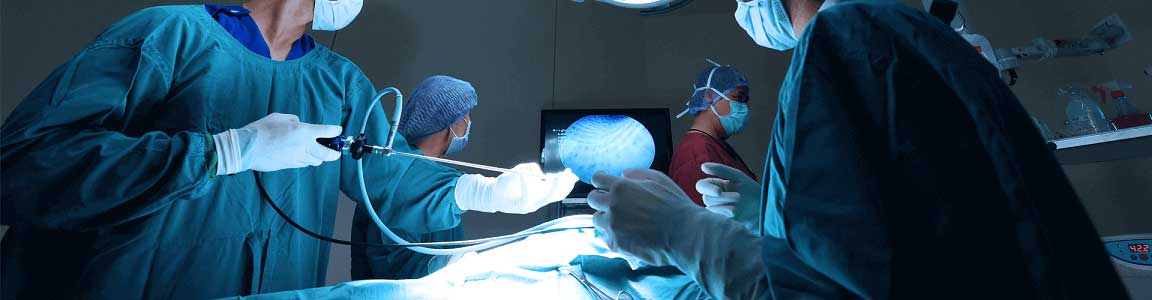
Hysteroscopy treatment in Bangalore is an advanced gynecological procedure used to examine the inside of the uterus and treat various uterine conditions that may affect fertility or menstrual health. This minimally invasive procedure allows fertility specialists to diagnose and treat problems within the uterine cavity without the need for major surgery.
At Kiran Infertility Centre Bangalore, hysteroscopy is performed using advanced endoscopic equipment and modern surgical techniques. The procedure helps doctors carefully examine the uterine cavity and identify abnormalities such as uterine polyps, fibroids, scar tissue, or uterine septum that may interfere with implantation or pregnancy.
Hysteroscopy plays an important role in fertility treatments because a healthy uterine cavity is essential for successful embryo implantation. By diagnosing and correcting uterine abnormalities, hysteroscopy can significantly improve pregnancy outcomes in patients undergoing fertility treatments such as IVF, ICSI, and Test Tube Baby treatment.
What is Hysteroscopy?
Hysteroscopy is a minimally invasive diagnostic and surgical procedure used to examine the inside of the uterus using a thin, telescope-like instrument called a hysteroscope.
The hysteroscope is inserted through the cervix into the uterus, allowing the doctor to view the uterine cavity on a monitor in real time. This helps identify abnormalities such as polyps, fibroids, adhesions, or structural issues inside the uterus.
Unlike traditional surgical procedures, hysteroscopy does not require large incisions. Therefore, the recovery time is usually shorter, and most patients can return to normal activities quickly.
Doctors commonly recommend hysteroscopy for women experiencing infertility, recurrent miscarriages, abnormal uterine bleeding, or suspected uterine abnormalities detected during ultrasound or scans.
Why Hysteroscopy is Important in Fertility Treatment
Hysteroscopy plays a critical role in evaluating the uterine cavity before fertility treatments.
A healthy uterine environment is essential for embryo implantation and pregnancy. Even small abnormalities inside the uterus may reduce the chances of successful pregnancy.
Hysteroscopy helps fertility specialists to:
- Detect uterine polyps
- Identify fibroids inside the uterine cavity
- Diagnose uterine septum
- Remove scar tissue (adhesions)
- Evaluate unexplained infertility
- Investigate recurrent miscarriages
Because hysteroscopy allows direct visualization of the uterus, it is considered one of the most accurate methods for diagnosing intrauterine abnormalities.
Conditions Treated with Hysteroscopy
Hysteroscopy treatment in Bangalore is commonly used to diagnose and treat several uterine conditions that may affect fertility.
Uterine Polyps
Polyps are small growths in the lining of the uterus that may interfere with embryo implantation. Hysteroscopy allows doctors to remove these polyps safely.
Uterine Fibroids
Small fibroids inside the uterine cavity can affect fertility and cause abnormal bleeding. Hysteroscopy helps remove these fibroids without major surgery.
Uterine Adhesions
Scar tissue inside the uterus, also known as Asherman’s syndrome, can affect menstrual cycles and fertility. Hysteroscopy allows doctors to carefully remove these adhesions.
Uterine Septum
A uterine septum is a congenital condition where a membrane divides the uterine cavity. This may increase the risk of recurrent miscarriage. Hysteroscopy can remove the septum and restore normal uterine structure.
Septum Removal Procedure
In some women, a thin tissue wall known as a uterine septum divides the uterine cavity into two sections. This condition can reduce the chances of successful pregnancy or lead to repeated miscarriages.
During hysteroscopy, the doctor inserts specialized surgical instruments through the hysteroscope and carefully removes the septum tissue.
This procedure restores the normal shape of the uterine cavity and improves the chances of embryo implantation and healthy pregnancy.
Septum removal using hysteroscopy is a safe and effective procedure that helps improve fertility outcomes.
Hysteroscopy Procedure – Step by Step
The hysteroscopy procedure usually involves the following steps:
1. Preparation
The procedure is usually scheduled after menstruation when the uterine lining is thin and easier to evaluate.
2. Insertion of Hysteroscope
The doctor gently inserts the hysteroscope through the cervix into the uterus.
3. Visualization of Uterine Cavity
A sterile fluid expands the uterus so the doctor can clearly view the uterine lining on a monitor.
4. Diagnosis and Treatment
If abnormalities such as polyps, fibroids, or adhesions are detected, they can often be treated during the same procedure.
The procedure typically takes 15 to 30 minutes, and most patients can go home the same day.
Advantages of Hysteroscopy Treatment
Hysteroscopy offers several advantages compared to traditional surgical procedures.
- Minimally invasive procedure
- No large surgical incision required
- Short recovery time
- Accurate diagnosis of uterine abnormalities
- Simultaneous diagnosis and treatment
- Improved fertility outcomes in many patients
Because of these benefits, hysteroscopy is widely used in fertility clinics as part of infertility evaluation and treatment.
Who Should Consider Hysteroscopy?
Doctors may recommend hysteroscopy in the following situations:
- Unexplained infertility
- Recurrent miscarriages
- Abnormal uterine bleeding
- Suspected uterine polyps or fibroids
- Abnormal findings in ultrasound or scan
- Before IVF treatment
A fertility specialist will evaluate the patient’s medical history and diagnostic tests to determine whether hysteroscopy is necessary.
Hysteroscopy Treatment at Kiran Infertility Centre Bangalore
Kiran Infertility Centre offers advanced hysteroscopy treatment in Bangalore using modern endoscopic technology and experienced fertility specialists.
The centre provides comprehensive fertility treatments including:
- IVF Treatment
- ICSI Treatment
- Test Tube Baby Treatment
- Oocyte Freezing
- Embryo Freezing
- Altruistic Surrogacy
By combining advanced surgical expertise with modern fertility technologies, the clinic helps patients improve their chances of successful pregnancy.
Patients experiencing infertility or uterine abnormalities can consult the fertility specialists for proper diagnosis and treatment.
FAQs – Hysteroscopy Treatment in Bangalore
What is hysteroscopy used for?
Hysteroscopy is used to diagnose and treat uterine problems such as polyps, fibroids, adhesions, and uterine septum that may affect fertility or menstrual health.
Is hysteroscopy painful?
Hysteroscopy is usually performed under anesthesia or mild sedation, so most patients experience minimal discomfort during the procedure.
How long does hysteroscopy take?
The hysteroscopy procedure usually takes about 15 to 30 minutes, depending on the complexity of the condition being treated.
How soon can I recover after hysteroscopy?
Most patients can return to normal activities within one or two days, although mild spotting may occur for a short period.
Can hysteroscopy improve fertility?
Yes. Hysteroscopy can improve fertility by removing uterine abnormalities that may interfere with embryo implantation or pregnancy.
Is hysteroscopy required before IVF?
In some cases, doctors recommend hysteroscopy before IVF to ensure the uterine cavity is healthy for embryo implantation.
Is hysteroscopy safe?
Yes. Hysteroscopy is considered a safe and minimally invasive procedure when performed by experienced fertility specialists.
Where can I get hysteroscopy treatment in Bangalore?
Advanced hysteroscopy treatment is available at Kiran Infertility Centre Bangalore, where experienced fertility specialists perform diagnostic and operative hysteroscopy procedures.